
Making sense of the US performance
The US Presidential Election season is back. The 2024 Election is the seventh presidential election since I started following it in 2000. I have to admit that the fever and anxiety have only increased with every passing election. The decency with which Al Gore wished George W Bush after 537 votes decided a well-fought election and a 5-4 decision in the Supreme Court is not in the culture anymore. 12% of the population who can vote (Approximately 31 million) weren’t born when this incident happened. As far as the Congress goes, friendships and respect across the aisle have been replaced with partisanship and divisiveness. The left wing of the US Congress believes that the country is still deeply rooted in racism, sexism, inequalities and constriction of opportunities. The right wing of the US Congress considers that the past was a glorious time, the future is looking bleak, and there is a war on culture and religion. People like me, who, for all practical purposes, were socially and economically left of the 1980s and 90s, are left baffled by this. At the risk of sounding like a lesser intellectual version of Steven Pinker, I want to analyse if the situation is indeed alarming and how to deal with this anxiety.
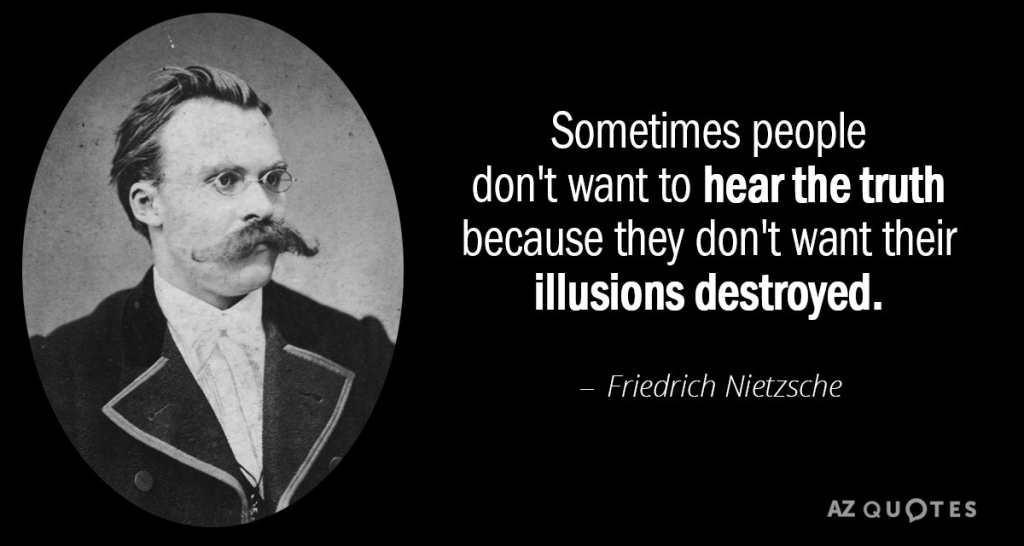
The two key outcomes I want to achieve out of this are
- Are Donald Trump and Joe Biden as good or bad as their supporters and detractors respectively make them to be?
- Is there a reason to be anxious about this election result? Will anything go wrong?
In the first stage of this process, I want to look at the data from the time of Barrack Obama to Donald Trump and finally to Joe Biden. I want to break the data into the following categories.
- Economic
- Action on Illegal Migration
- Income and Wealth Distribution
- Climate Impact
- Military Spending and Wars
Economic Factors
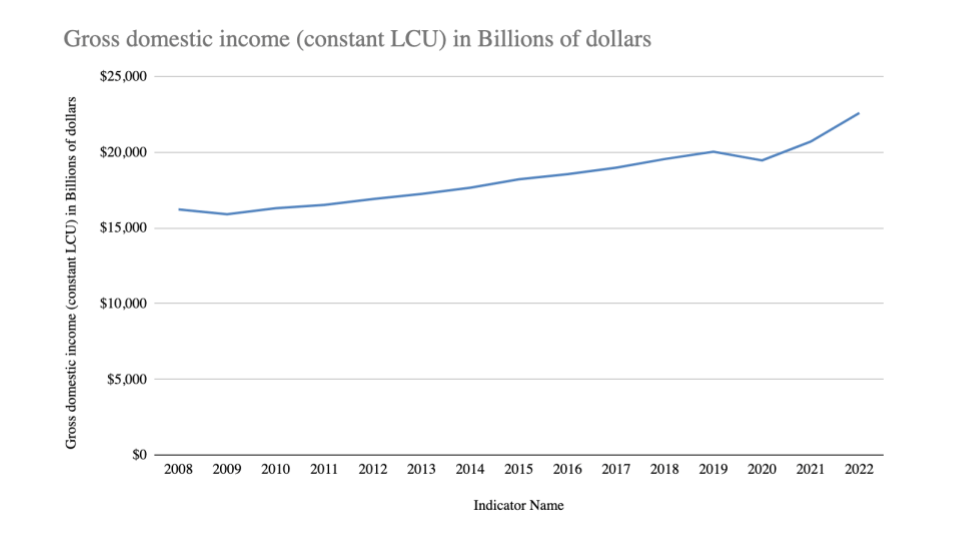
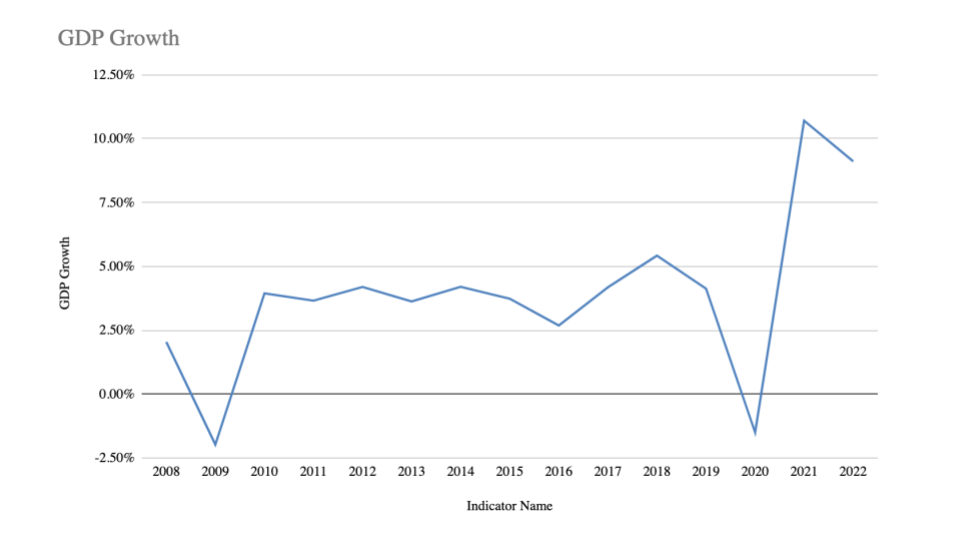
For the purpose of this exercise, I analysed the overall GDP, GDP per capita, GDP growth rate and finally, the Debt to GDP ratio. Starting at 16 Trillion dollars in 2008, the US economy has grown at an average of 3.88% yearly, cumulating to over 38% by 2022. Barring the COVID-19 impact in 2020, it has been a rather steady growth. The same pattern is reflected in GDP Per capita. The only alarming figure in the economy is the Debt/GDP ratio. While the GDP has grown at 3.33%, the debt has grown at a higher rate, thanks mainly to the boost provided during the Covid-19 crisis. While for any other country, a Debt/GDP of over 100% is a concern, the US $ being the global reserve currency, is better positioned to deal with this.


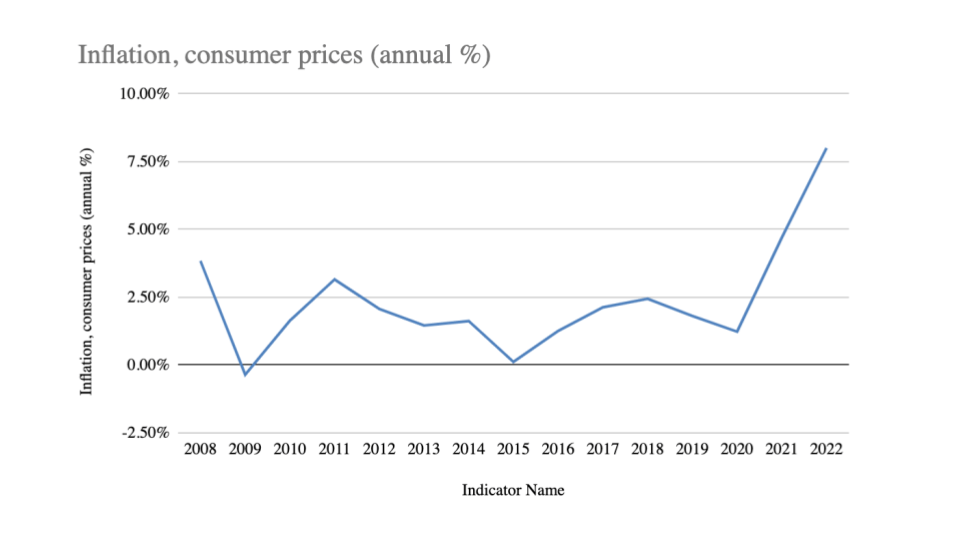
The most disturbing figure, though, is inflation. While it has been controlled for the better part of a decade after GFC, the war in Ukraine and the impact of the pandemic have put pressure on essential commodities, including fuel prices. If we combine this with the high debt, then we have another brewing crisis here.
Action on illegal immigrants
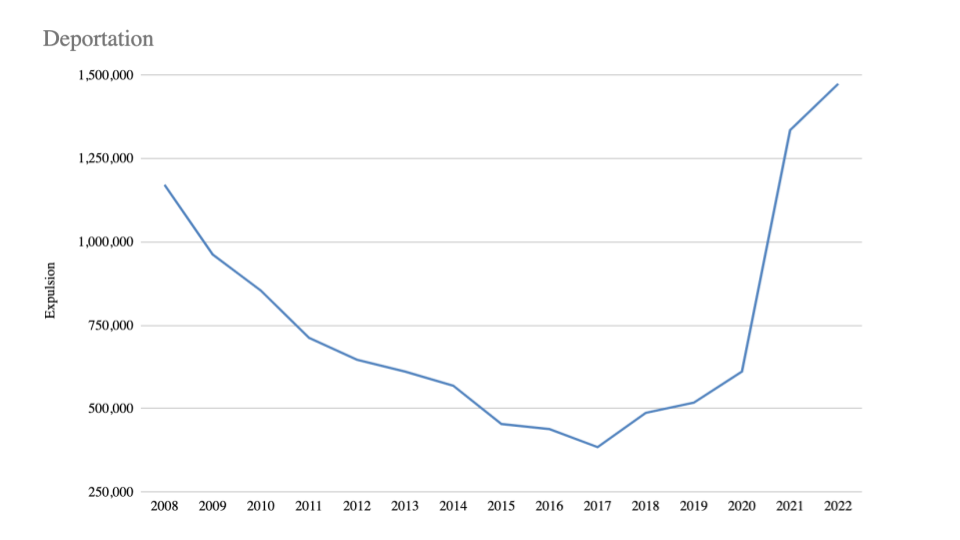
This was among the most sensitive issues between the Democratic and Republican parties. While Democrats were blamed for open borders, the Republicans were blamed for being insensitive and cruel. Well, as the saying goes, data never lies. The truth is Obama and Biden deported more people than Donald Trump ever managed. Trump, however, made more noise about this than Obama or Biden did.
Income and Wealth Distribution
One of the most popular opinions is that the Republicans are the party for the rich and Democrats are the party for the working class/unions akin to socialists. The reality is that the income distribution pattern in the US hasn’t changed in the last 16 years. Irrespective of which party is in power, they side with their donors to arrest wealth distribution of any kind. It is true that the top 1% have earned more in terms of percentage, but the pattern and percentages are no different from the past. I am not justifying the disparity here but merely pointing out that the situation hasn’t changed to warrant anxiety.

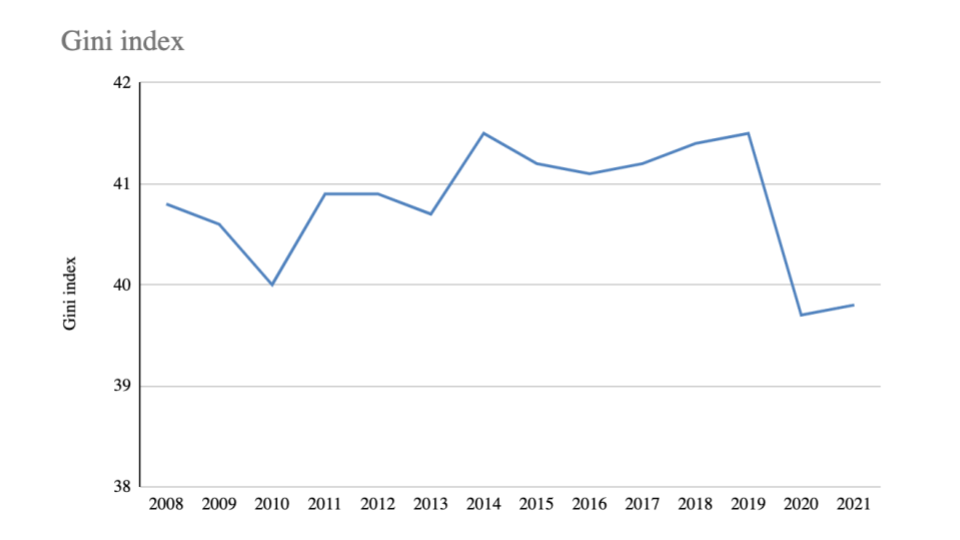
However, the GINI index, which measures the dispersion of income, wealth and consumption inequality, presents a more positive figure. For the first time in years, the figure is below 30 now. It isn’t a reason to celebrate, though, as the contributors to this are most likely inflation and economic slowdown.
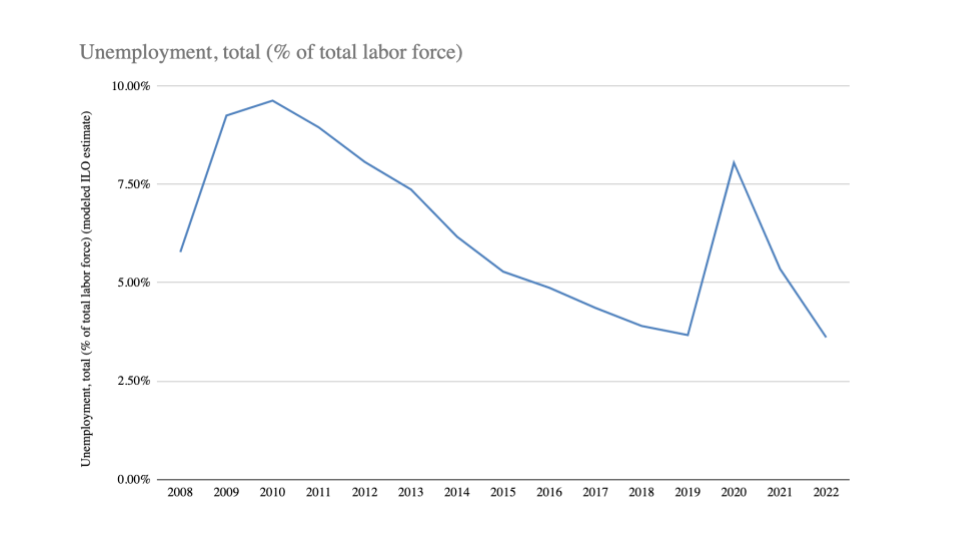
The last figure to look at now is the unemployment percentage. Again, barring the impact of Covid in 2020, we have seen this figure decline consistently from 2011. It doesn’t matter if the president is a Republican or a Democrat.
Climate Impact
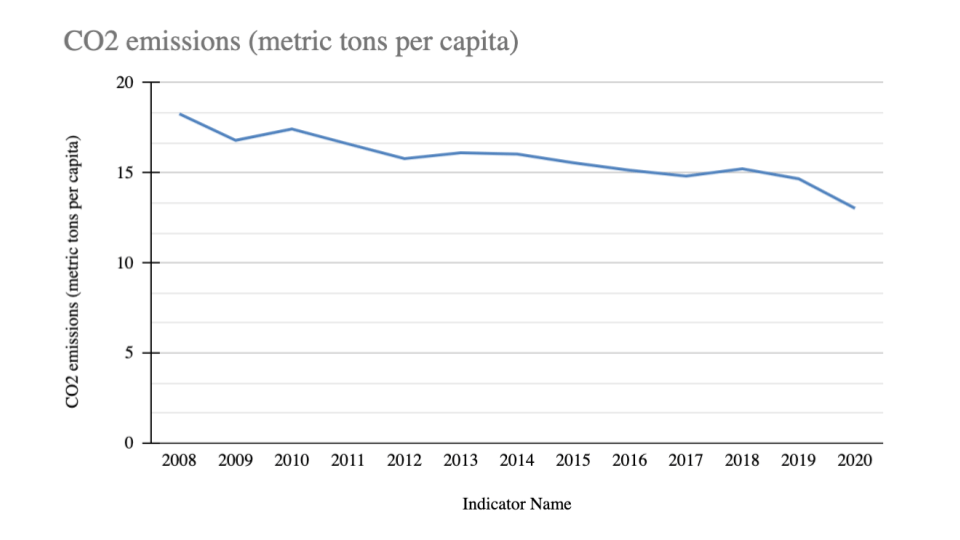
The last of the factors I want to look at is the impact on climate. As we look at per capita emissions from 2008, we see a steady decline even during the period of Donald Trump. Irrespective of whether the US is part of the Paris Agreement, the underlying change continues to happen, transportation is getting cleaner, and the emissions are going down.
Military Spending and Wars
Inflammatory speeches and partisan opinions aside, the US hasn’t engaged in a new war since Hillary Clinton left the Secretary of State office. Neither Trump nor Biden have armed children in Africa or bombed a new sovereign nation. Bombastic speeches aside, Trump did diffuse a dangerous situation with Assad in Syria. Biden’s speech aside, he hasn’t added fuel to the fire in the latest conflict in Gaza. All said and done, the spending on the Military hasn’t come down. Having reached its lowest point in 2016, the spending is on the ascendency. I am sure most military officers will take spending over war.
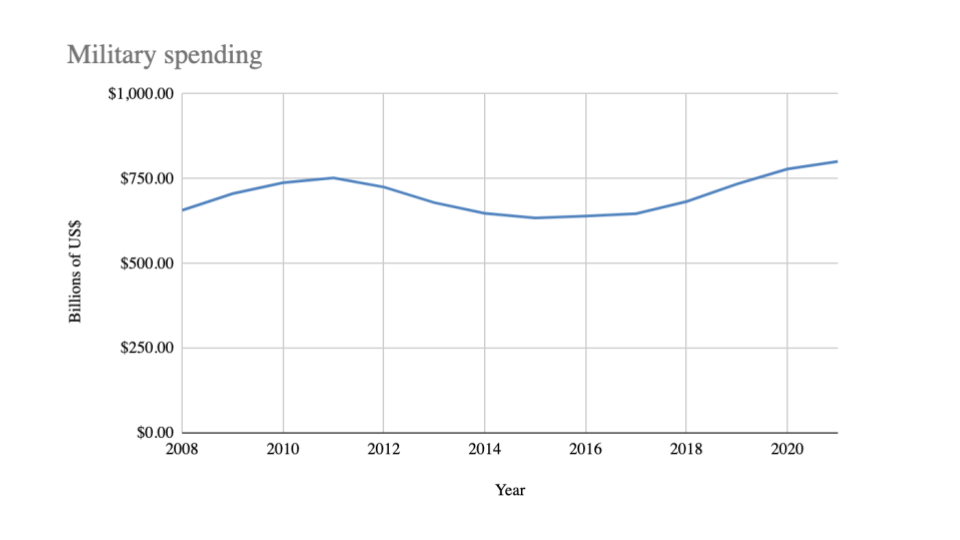

As seen from the data (source: World Bank and OECD), the health of the United States is not dependent on the president at all. One could find more correlation between the war between Russia and Ukraine than the president or the party of the president. However, this definitely doesn’t mean that there aren’t problems or that the data is good. It is just normal. In the next part, I will focus on dealing with the probability of another Trump presidency. Whether we like him or loathe him, it is impossible to ignore the impact his term had on the mental health of all Americans.

 Demystifying a skeptic's world